





How 7bit Casino Withdrawal Works For Australians
Imagine you win on your lunch break, request a payout, then rush back to real life. You check later and see a status label instead of money - that is normal, not a red flag. For adult players in Australia, it helps to think of cashouts as a short process with checkpoints, not a single instant button.
Most requests move through three parts: your account eligibility, an internal review, then payment-provider processing. If you keep your profile stable and pick one method you control, those checkpoints usually pass with less friction.
When You Click Cash Out, What Happens Next
Picture this: you confirm the amount, hit submit, and instantly regret not double-checking the destination. Two minutes later you want to edit everything. The better move is to treat submission as a "lock" until the request completes.
First the system validates the method and balance eligibility, then it queues the request for review (automatic or manual). After approval, the provider handles settlement, which can depend on their own schedules. If you need speed, avoid changing devices, passwords, or payment details while the request is pending.
Common Reasons A Payout Gets Paused
Say you add a new card, change your address, and request money on the same day. That looks like a security risk, even if you are simply updating your profile. A pause often means "please confirm," not "no."
Typical triggers are name mismatches, incomplete profile fields, multiple accounts in the same household, issuer restrictions, or bonus funds that are still locked behind playthrough rules. The fastest fix is usually simple: answer one clear question, upload one clear document (only if asked), and stop making extra changes until the status updates.
Profile Prep Before You Request Money
If you only think about verification after a win, you are doing it in hard mode. Imagine you need the funds for a bill this week, but a verification prompt appears on your first request. You open the upload screen late at night and realize you should have done it earlier. Setting up early is the quiet way to make payouts feel predictable in 2026.
Treat your account like a bank profile: consistent name, reachable email and phone, and payment methods that belong to you. That alone prevents most avoidable delays.
Identity Checks Without The Drama
Suppose you upload a document photo taken at night and the edges are cut off. You might feel it is "close enough," but reviewers often cannot approve it. Then you wait and re-upload.
Use bright light, show all corners, and make sure your profile details match the document exactly (spelling matters). If proof of address is requested, pick something recent and readable. Avoid edits, heavy cropping, or blurry screenshots - clarity is what speeds approval.
Match Your Payment Details Once
Imagine your wallet account uses a shortened name, while your profile uses your full legal name. Everything feels fine until a payout check compares them. A small mismatch can cause a manual review.
Pick one primary method, confirm ownership, and keep it consistent for a few payouts. If you share a device at home, log out properly and avoid auto-filled details from another person. When you later request funds, consistency is your friend.
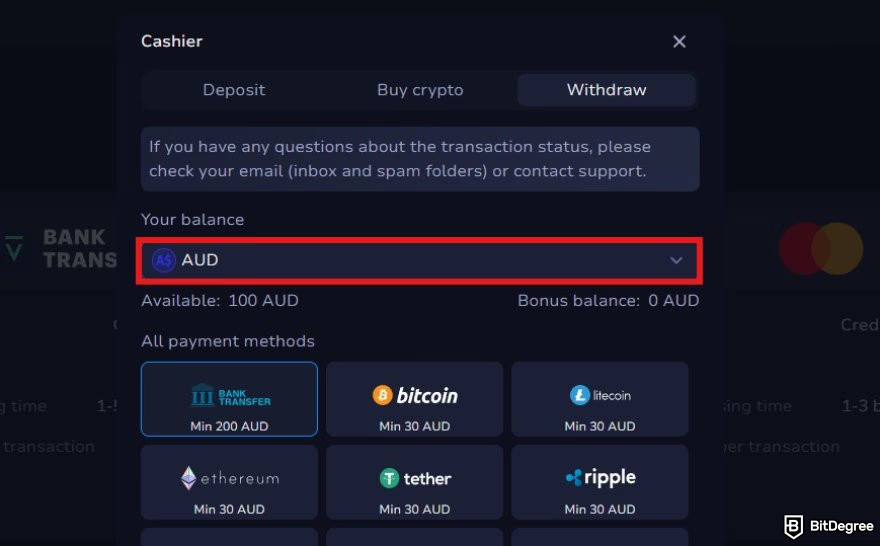
7bit Casino Withdrawal Time: What Slows It Down
Think about a Friday-night request: you submit, see "approved," and still do not see funds immediately. You start guessing - did something fail, or is it just payment timing? Breaking the timeline into stages makes it easier to stay calm and act only when needed.
The practical view is: internal review time plus provider processing time. Your job is to reduce the reasons either stage might pause.
Method Matters More Than Most People Think
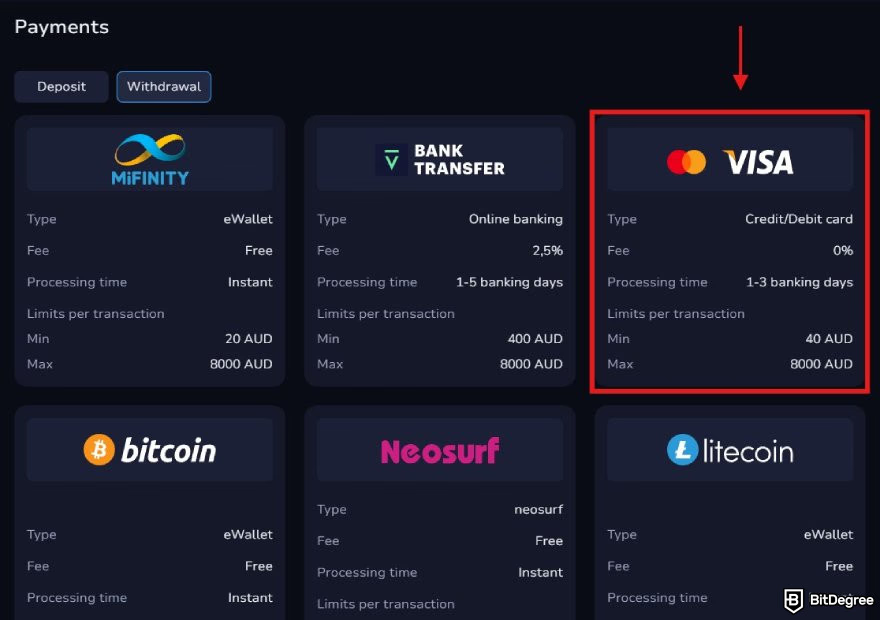
Two players can request the same amount and get different results. One uses an e-wallet and sees funds sooner; the other uses a card route and waits longer. That gap usually comes from how the payment network posts transactions, not from personal treatment.
Wallet-style options and some crypto routes can feel quicker because they avoid some bank settlement steps. Card postings can behave like refunds, which may take longer to appear. Bank transfers are steady but often depend on cut-off times and the receiving bank’s workflow.
Weekends, Cut-Offs, And Bank Queues
Imagine you submit after a daily cut-off and then refresh your banking app all evening. The platform may already have sent the transfer, but your provider may only post it in the next window. That can look like "stuck" when it is simply queued.
Plan around weekends and public holidays, especially if you need funds by a specific date. Track the status checkpoints - submitted, approved, sent - because those tell you whether you should wait or contact support.
Why First Cashouts Usually Take Longer
Say you register, deposit, and request money quickly because you want to test the platform. That pattern is also common in fraud, so extra checks are expected. It is annoying, but it is also protection.
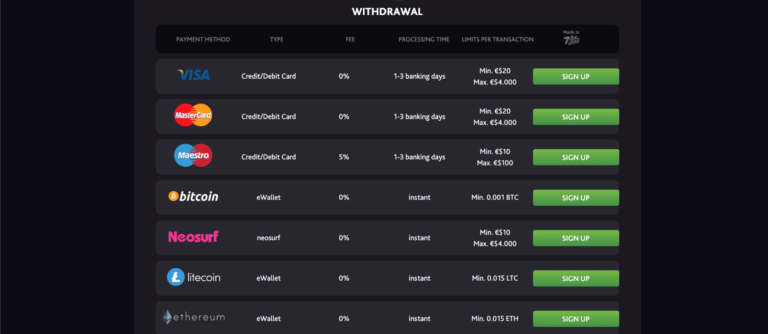
First-time requests often trigger verification, ownership confirmation, or a short manual look. If you want the smoothest first experience, finish verification early and consider a reasonable first request amount, then keep the same method for the next payout.
Choose A Cashout Route That Fits You
You might prefer the method that feels easiest today, then regret it when you discover a limit or an extra confirmation step. Imagine you are half-asleep, requesting money on your phone. You copy details between apps and suddenly you are not sure which account is linked. Pick a route based on control and clarity, not hype.
Option | Setup Effort | Typical Processing Feel | Best For | Common Friction |
|---|---|---|---|---|
E-wallet | Medium | Often quicker | Frequent requests | Name mismatch, wallet limits |
Bank transfer | Medium | Predictable, bank-window dependent | Larger amounts | Cut-offs, compliance holds |
Card route | Low-Medium | Can post slower | Convenience | Issuer restrictions, posting lag |
Crypto route | Medium-High | Network-dependent | Wallet-savvy players | Address errors, extra confirmations |
Voucher flow | Very High | Multi-step | Budgeting | Extra verification, more stages |
After you choose, keep it steady. Switching methods between payouts is fine, but switching during one request is a classic way to create delays.
Smooth Cashouts In Australia: Simple Routine
Imagine you are about to request money and you want the highest chance it lands cleanly. You do not need secrets - you need a short routine. The goal is to remove reasons for review: unstable profile, locked bonus funds, or messy payment details.
Start by checking whether your balance is eligible, especially if you played with a promotion. Then confirm you are using a method in your name and you have not changed key details that day.
A Five-Minute Checklist Before You Confirm
Say you want to submit and move on with your day, not babysit a status screen. A short checklist prevents the most common back-and-forth. Take five minutes, then submit once.
- Confirm your cashable balance (bonus conditions cleared).
- Verify your chosen method belongs to you.
- Make sure your profile details match your documents.
- Avoid last-minute changes to phone, email, or payment settings.
- Keep the same device until the request completes.
If a request still pauses, you can answer faster because you already checked the basics.
Keep Notes For Support Without Oversharing
Imagine support asks for the submission time, amount, and method, and you cannot remember. You scroll through apps, guess, and the chat drags on. Keeping a simple note avoids that.
Save the request date and time, amount, method, and the current status label shown in your account. Do not paste full card numbers or wallet secrets. If documents are requested, provide only the specific item asked for and keep images clear and unedited.
Support And Responsible Play In 2026
Picture a delay and the urge to "fix" it by changing everything - new card, new password, new device. That often makes things worse, because it creates more checks. Calm communication plus sensible play limits protects both your time and your bankroll.
Use built-in tools like session reminders, deposit caps, cooling-off periods, and longer self-exclusion when needed. These controls reduce the cycle of chasing losses, then expecting instant access to money at the end of a stressful session.
Message Support Without Creating More Delays
Suppose you open chat and write, "Where is my money?" It vents frustration, but it forces the agent to ask basics. A structured message usually gets faster help.
Include: submission date and time, selected method, status label, and whether you changed any account details recently. Ask one focused question, like whether the request is still in internal review or already released to the provider. Then wait for the reply instead of opening multiple tickets.
Timeouts, Limits, And Self-Exclusion
Imagine you catch yourself refreshing your balance every few minutes and feeling tense. A short timeout breaks that loop, and a longer exclusion creates a firm boundary when you need it. The point is to remove impulsive decisions from the moment.
Set limits you can live with and avoid raising them on the same day you lost money. If you ever feel the platform is taking over your routine, pause, use the controls, and return only when play feels like entertainment again.